The rapid advancement of technology has notably improved the efficiency, effectiveness, and safety of various industries. As digital solutions continue to evolve, they offer unique and transformative benefits to different sectors, from security to construction. In this article, we will explore how technology has transformed distinct industries for the better. From protecting digital assets with the help of a cyber security company to implementing improved climate control with advanced AC service, the technological revolution touches virtually all aspects of modern business. We will delve into specific examples and explore the broader implications of these technological changes, using primary and secondary keywords effectively throughout this piece.
Technology has also enabled industries to operate with greater precision and consistency. For example, environmental chamber testing allows manufacturers to simulate extreme conditions, ensuring products meet stringent quality standards before reaching consumers. In the construction sector, modern roofing services leverage drones and 3D modeling to improve project accuracy and reduce human error. Meanwhile, elevator repairs services utilize predictive maintenance tools to anticipate and prevent malfunctions, enhancing safety and reliability. Innovations in interior design and organization, such as advanced closet organization systems and precision interior painting techniques, streamline workflows and maximize space utilization. Even water safety measures, supported by advanced back flow testing, and energy efficiency improvements through solvent recycling machines reflect how technology is optimizing both safety and sustainability across industries. By embracing these technological advancements, businesses not only enhance operational performance but also elevate the overall quality, reliability, and safety of the services and products they provide, illustrating a profound transformation in how industries operate today.
Protect Digital Assets
In today’s digital age, safeguarding electronic data has become paramount for businesses and individuals alike. Cyber security companies play a crucial role in protecting digital assets from threats such as data breaches and hackers. By implementing sophisticated security protocols and systems, these companies ensure that sensitive information remains secure from unauthorized access.
The landscape of cyber security has evolved significantly as technology advances. Cyber security companies now utilize artificial intelligence and machine learning algorithms to predict and mitigate potential security threats. These technologies enable rapid adaptations and updates to security systems, providing a robust defense against evolving cyber threats.
Moreover, the emergence of blockchain technology offers additional security measures for digital assets. By creating decentralized and immutable records, blockchain contributes to the integrity and trustworthiness of digital transactions. As cyber security efforts evolve, they enhance the reliability and privacy of digital interactions, affirming the critical role technology plays in safeguarding assets.
Testing With Precision

The need for precise testing and quality assurance has led to significant advancements in environmental chamber testing. These chambers create controlled environments that simulate various conditions, allowing businesses to evaluate product performance under specific situations. This technology is instrumental in enhancing reliability and durability across industries.
Environmental chamber testing has specific applications in sectors such as aerospace, automotive, and electronics. Companies can simulate extreme temperatures, humidity levels, and other environmental factors that products might encounter in real-world scenarios. This level of precision ensures that products meet rigorous quality standards and can withstand diverse environmental conditions.
As technology continues to develop, environmental chamber testing becomes increasingly sophisticated. Enhanced control systems, data analytics, and remote monitoring capabilities make testing more efficient and insightful. By harnessing these technologies, industries can ensure optimal product performance, reducing risks and enhancing consumer confidence.
Better Roofing Solutions
The construction industry has embraced technology to deliver improved roofing solutions, benefiting both contractors and homeowners. Innovations in materials and installation techniques have led to more durable and energy-efficient roofing systems. These advancements enhance property protection, reduce energy consumption, and promote sustainability.
Roofing services now offer a variety of high-tech options, such as cool roofs that reflect more sunlight and absorb less heat. Additionally, the integration of digital tools in roofing service allows for accurate measurements and assessments, ensuring precise installations. These innovations provide long-term savings in terms of maintenance and energy costs.
Moreover, advancements in construction technology enable real-time monitoring of roofing projects. Through drones and smart sensors, contractors can track progress remotely, identify potential issues early on, and ensure quality control. The integration of technology in roofing projects not only improves efficiency but also enhances safety and environmental responsibility.
Improved Climate Control
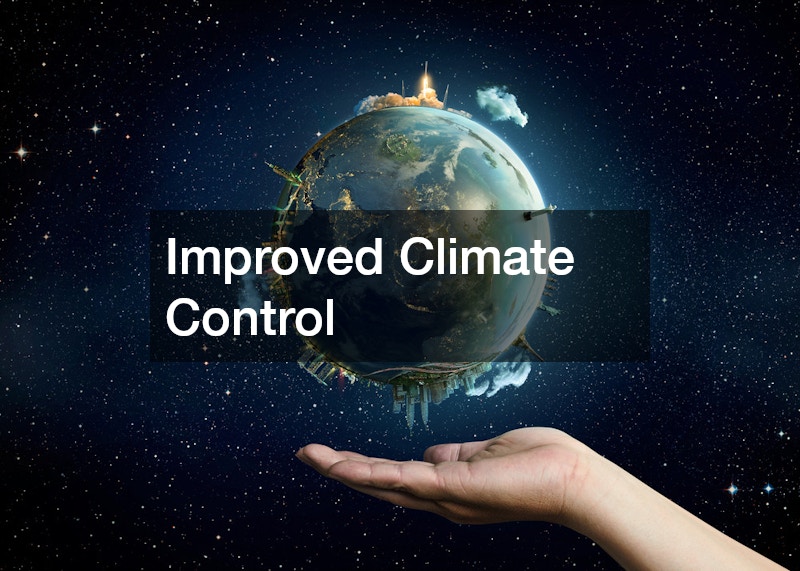
Technology has made significant strides in optimizing indoor climates, enhancing comfort and efficiency through advanced AC service. Modern climate control systems leverage smart technology, providing automated temperature and air quality adjustments tailored to specific preferences and usage patterns.
Today’s AC services incorporate IoT devices that allow remote control and monitoring of HVAC systems via smartphones or other internet-enabled devices. This connectivity improves energy management by enabling users to adjust climate settings from anywhere, enhancing convenience while reducing energy waste.
Energy-efficient systems, powered by cutting-edge technology, contribute to reduced operational costs and environmental footprint. Through continuous monitoring and data analytics, AC service providers can offer predictive maintenance, identifying potential issues before they lead to costly breakdowns. These advancements ensure a comfortable and healthy indoor environment in an eco-friendly manner.
Enhanced Personal Safety
The realm of personal safety has seen transformative changes fueled by technology, particularly in executive protection. With rising global security concerns, individuals and organizations demand enhanced safety measures. Leveraging the latest tech innovations, executive protection services offer comprehensive and tailored security solutions.
Technological advancements enhance executive protection by providing real-time intelligence, comprehensive risk assessments, and remote monitoring. Tools such as GPS tracking and advanced communication systems ensure seamless coordination and instant response to potential threats. These technologies enable proactive strategies that prioritize client safety.
Additionally, biometric access controls and surveillance systems enhance security by restricting unauthorized access and monitoring environments diligently. Through technology-driven solutions, executive protection services create a secure environment, allowing individuals and corporations to focus on productivity and peace of mind.
Organize Spaces Efficiently

Innovative closet organization systems, driven by technology, have revolutionized how spaces are utilized efficiently. By maximizing storage through smart designs and digital solutions, individuals and businesses can create organized environments that enhance productivity and aesthetics.
Closet organization systems now incorporate adjustable shelving, customizable storage options, and integrated lighting. These systems are perfect for businesses requiring flexible storage solutions and for homeowners seeking clutter-free spaces. Technology facilitates functional organization that can be easily adapted to changing needs.
Moreover, the integration of augmented reality applications allows users to visualize and design organizational systems before implementation. By ensuring that all components fit seamlessly into a space, this technology enhances customization and user satisfaction. Closet organization systems enhance efficiency and comfort by bringing order and accessibility to daily life.
Safe Water Systems
The safety and cleanliness of water systems have significantly improved with the advancement of technology, particularly through innovations like back flow testing. This process ensures that public and private water supplies remain free from contamination, safeguarding health and wellbeing.
Back flow testing services identify vulnerabilities in water systems that may lead to contamination due to reverse flow of non-potable water. By leveraging digital tools and monitoring systems, technicians carry out precise assessments and implement timely solutions, ensuring optimal safety standards.
Technology-driven back flow testing offers regular maintenance schedules and automated alerts, preventing potential water quality issues proactively. These advancements afford communities peace of mind by guaranteeing access to safe, clean water, demonstrating the vital role of technology in water management.
Furthermore, modern back flow testing incorporates data analytics and cloud-based reporting, allowing municipalities and businesses to track compliance and performance efficiently. Remote monitoring enables real-time detection of irregularities, ensuring rapid response to potential hazards. These innovations not only enhance safety but also reduce operational costs and improve regulatory adherence, highlighting how technology ensures reliable and sustainable water management practices.
Reliable Vertical Travel
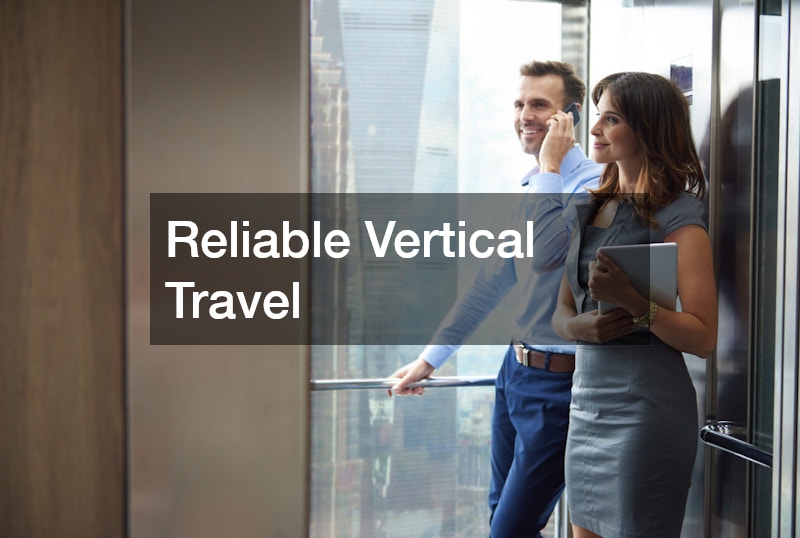
Elevator repairs services have undergone technological enhancements, ensuring reliable and efficient vertical travel in residential and commercial buildings. These advancements provide improved safety, faster response times, and reduced operational disruptions.
Advanced diagnostic tools and predictive maintenance systems enable elevator repairs services to identify and resolve issues before they escalate. Intelligent sensors and remote monitoring systems facilitate continuous performance tracking, ensuring elevators operate smoothly and efficiently.
Moreover, automated systems enhance passenger experience by minimizing downtimes and optimizing elevator operation during peak times. Technology-driven solutions improve reliability and longevity, ensuring vertical travel is seamless, secure, and efficient.
In addition, modern elevator technologies incorporate energy-efficient designs and smart scheduling algorithms that reduce power consumption while maintaining optimal service. Mobile apps and communication systems provide real-time updates to building occupants and maintenance teams, allowing for immediate reporting of issues and faster resolution. These innovations not only enhance safety and efficiency but also improve user satisfaction, demonstrating how technology has fundamentally transformed elevator services into a more dependable and user-friendly experience.
Fresh and Modern Interiors
The rise of technology in home improvement is transforming interiors through digital tools and innovative materials, particularly within the domain of interior painting. Interior painters leverage technology to achieve modern designs and enhanced efficiency, elevating the overall aesthetic appeal of spaces.
Digital color matching systems allow interior painters to present clients with precise and vast color options tailored to their preferences. This technology streamlines the decision-making process and ensures accurate results, fulfilling customers’ expectations for vibrant and cohesive interiors.
Additionally, eco-friendly paints and sustainable painting practices resonate with growing environmental concerns. Smart tools and apps help painters manage projects efficiently, optimizing time and resources. Interior painting technology reflects the blend of creativity and precision, enhancing the ambiance and sustainability of indoor spaces.
Moreover, virtual visualization tools and augmented reality applications allow clients to preview finished spaces before any work begins. These innovations reduce errors, improve client satisfaction, and allow for easier customization. Automated spray systems and advanced equipment also enable painters to complete large-scale projects more quickly and uniformly, reducing labor costs and waste. Overall, technology empowers interior painters to deliver high-quality, sustainable, and visually striking results that meet modern design expectations.
Sustainable Recycling
Recycling processes have improved significantly through technological innovations, with solvent recycling machines leading the charge towards sustainability. By reducing waste and promoting resource recovery, these machines facilitate eco-friendly practices across industries.
Solvent recycling machines offer precise recovery of chemicals and solvents, transforming what was once waste into reusable resources. Industries benefit from cost savings and reduced environmental impact, aligning with global goals of sustainability and responsible resource management.
Moreover, advancements in automation and monitoring systems enhance the efficiency and reliability of solvent recycling processes. These improvements encourage wider adoption of sustainable practices, demonstrating the potent influence of technology in promoting a green future. As industries continue to prioritize sustainability, technology-driven recycling solutions are playing an integral role in resource management.
In addition to environmental benefits, solvent recycling machines support compliance with stringent industry regulations, ensuring proper handling and disposal of hazardous materials. Companies implementing these systems can track solvent usage and waste reduction more accurately, facilitating reporting and accountability. Furthermore, the integration of real-time monitoring and data analysis allows for continuous process optimization, increasing operational efficiency. These advancements not only contribute to a greener planet but also help businesses reduce costs, enhance safety, and improve overall productivity, solidifying the value of technology in driving sustainable industrial practices.
Technology has dramatically transformed various industries for the better, bringing forth improvements that are integral to modern business operations and daily life. From protecting digital assets with a cyber security company to enhancing indoor climates with advanced AC service, these technological innovations demonstrate a commitment to efficiency, safety, and sustainability. Across sectors like construction, climate control, and personal safety, technology serves as a vital driver of progress and innovation.
The specific advancements in fields such as environmental chamber testing, closet organization, and solvent recycling exemplify the diverse applications of technology. Each innovation improves industry-specific processes, enhances product quality, and reduces operational costs. Moreover, technology’s role in refining personal protective measures, water safety, and vertical travel illustrates its comprehensive impact.
As industries continue to evolve alongside technological developments, they offer unparalleled opportunities for growth, efficiency, and sustainable practices. The seamless integration of technology into business processes not only addresses contemporary challenges but also sets a foundation for future technological advancements. The benefits are far-reaching, affirming technology’s transformative impact and its capacity to shape a better, more sustainable future for all.